
Public Safety
and Issue 7C
What Issue 7C Would Mean for West Metro Emergency Response
The funding is intended to help West Metro:
Maintain adequate numbers of firefighters, paramedics, and first responders to meet the community's emergency-response needs.
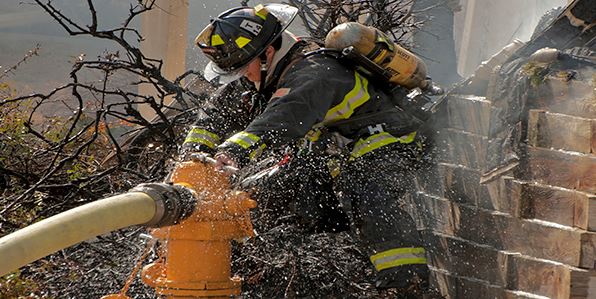
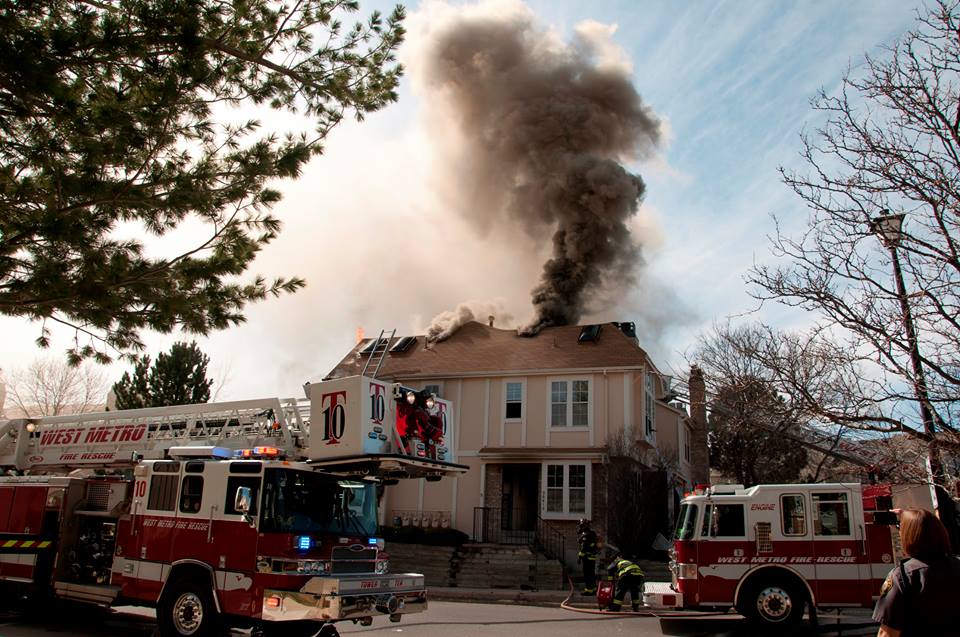
Provide the advanced training, apparatus, and equipment firefighters and paramedics depend on when responding to medical emergencies, structure and wildland fires, water rescues, technical rescues, hazardous-material incidents, and other emergencies.
Maintain rapid emergency response and the resources needed to serve communities throughout the District as calls for service continue to increase.
Protect the health and safety of West Metro firefighters and paramedics.
Update lifesaving medical and rescue equipment and strengthen local wildfire response.
West Metro operates 17 firehouses throughout the District. Maintaining response capacity across those firehouses requires more than buildings. It requires trained firefighters and paramedics, dependable apparatus, modern equipment, protective gear, specialized rescue resources, and continued training.
Issue 7C is structured as a sales tax, meaning taxable purchases made within the District contribute to the funding, including purchases made by visitors and others who use businesses within the community. Everyday necessities identified by West Metro as exempt include groceries, gas, medicine, and diapers.
About West Metro Fire Rescue
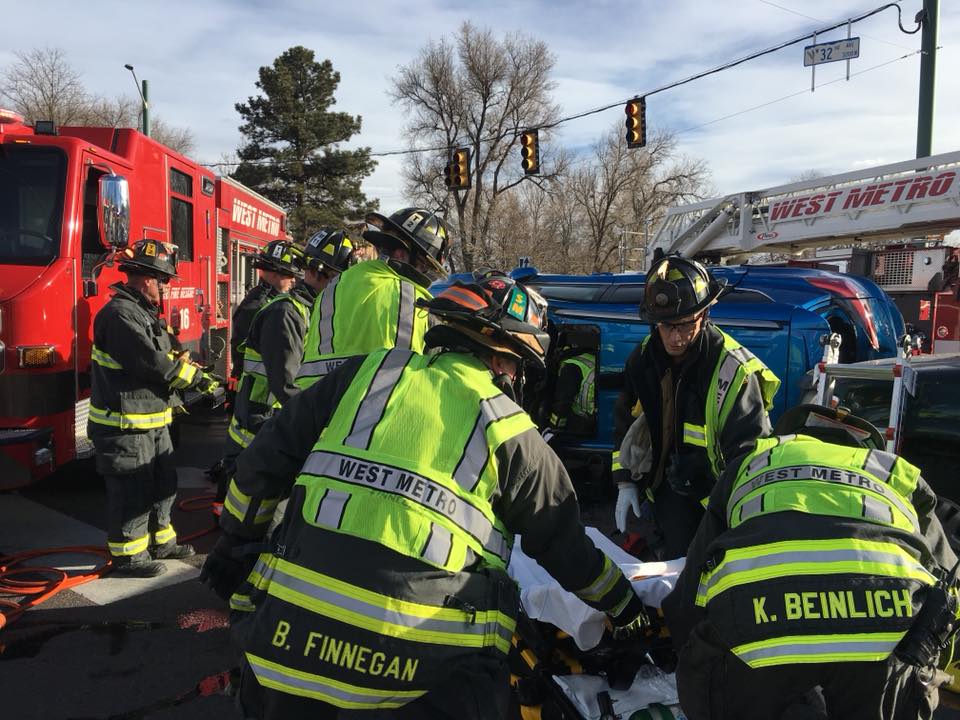
West Metro Fire Rescue serves more than 300,000 residents across approximately 109 square miles in Jefferson and Douglas counties.
West Metro has a long record of providing fire, emergency medical, rescue, and all-hazards emergency response while managing the resources entrusted to the District.
West Metro states that it has not received additional voter-approved mill levy funding in 20 years. During that period, the District has maintained the highest ISO rating, earned multiple accreditations and awards, and kept bonds approved by voters in 2006 on track to be paid off in 2027.
Emergency Demand Is Growing
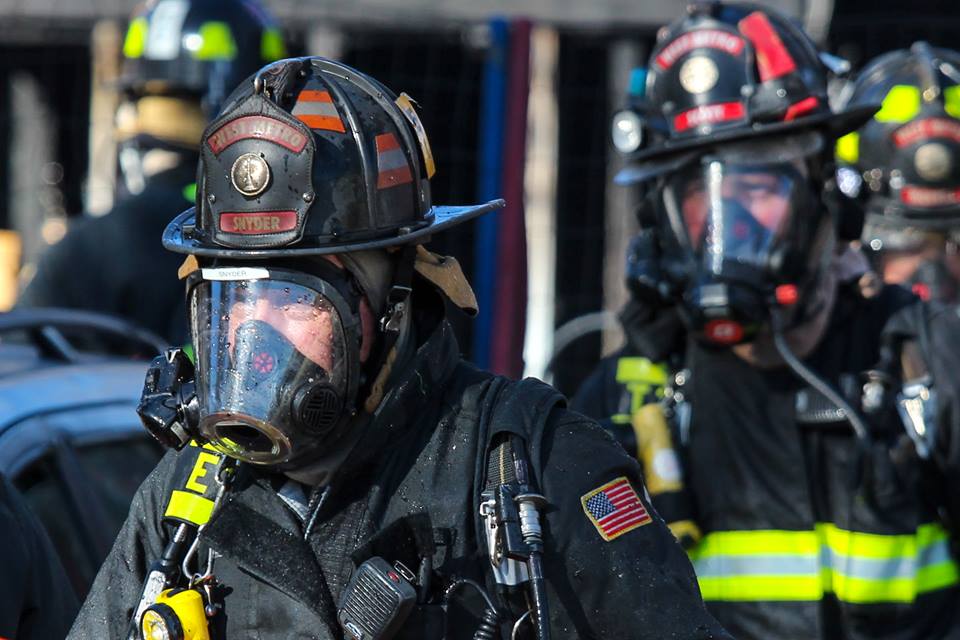
The demand placed on West Metro firefighters and paramedics is growing faster than the community itself.
Since 2017, the District's population has increased by approximately 5%, while calls for emergency service have grown at roughly four times that rate. By 2035, emergency demand is expected to increase by approximately 56%, driven by population density, more residents aging in place, and other changes affecting demand for emergency services.
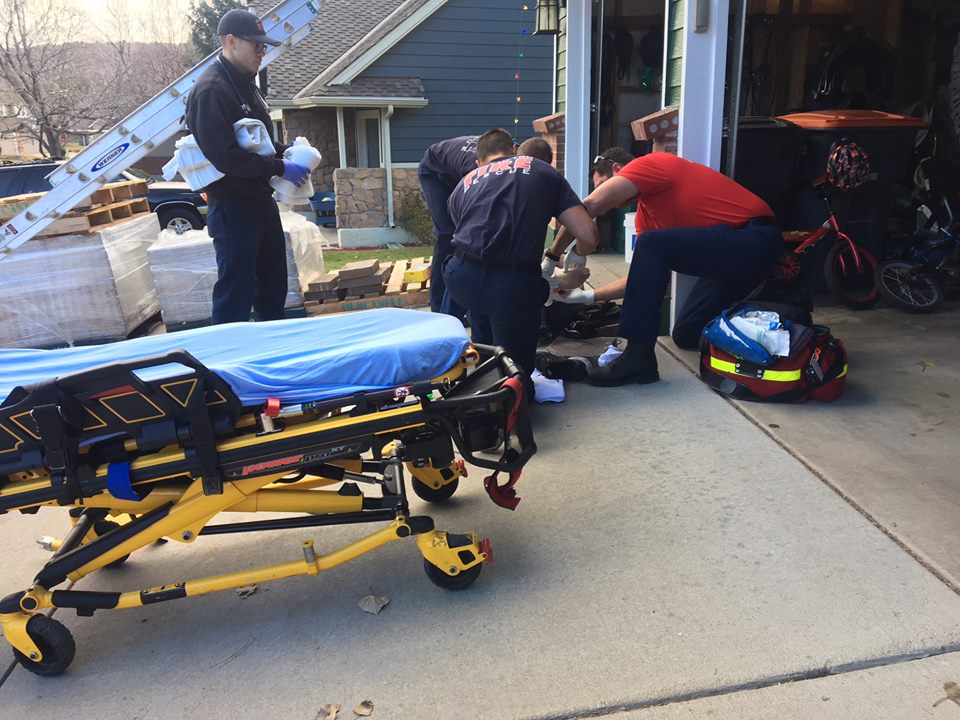
Approximately two-thirds of West Metro's calls are medical emergencies. Firefighters and paramedics must also remain prepared for structure fires, wildland fires, vehicle crashes, hazardous-material incidents, technical rescues, water rescues, and other emergencies.
Meeting that increased demand requires sufficient firefighter and paramedic resources, dependable apparatus, properly equipped firehouses, specialized equipment, advanced training, and the ability to maintain emergency-response capacity throughout the District.
A Growing Financial Challenge
The Cost of Emergency Response Is Increasing
The cost of providing emergency services has increased by 137% over the last 10 years and is expected to continue rising.
At the same time, West Metro has identified more than $150 million in capital needs over the next 10 years to address aging infrastructure and replace critical apparatus and equipment.
Maintaining reliable emergency response requires continual investment in the apparatus, facilities, equipment, technology, and training firefighters and paramedics rely on every day.
What Fire Apparatus Costs
Replacing emergency apparatus represents a significant investment. Approximate replacement costs are shown below.
Ladder truck
$2.4M
Heavy rescue
$1.6M
Fire engine
$1.3M
Tactical tender
$700K
Ambulance
$405K
West Metro's funding-needs materials also identify wildland engines as part of its apparatus needs.
These vehicles are more than transportation. They are working emergency-response platforms carrying the medical, firefighting, rescue, communications, and specialized equipment firefighters and paramedics need when they arrive on scene.
Revenue Is Declining
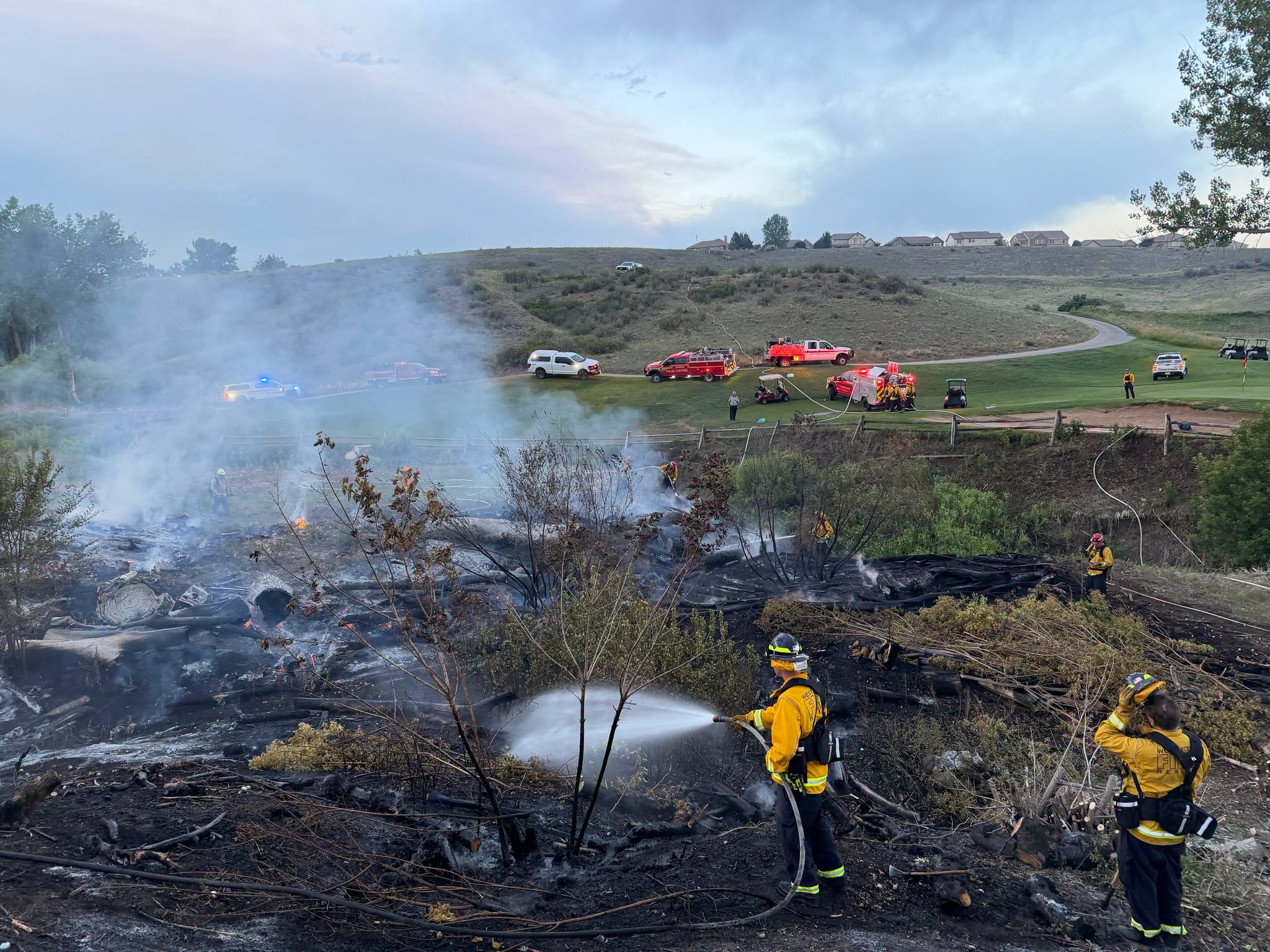
West Metro relies primarily on property-tax revenue to fund emergency services.
According to the District, changes to Colorado's constitution and state law have resulted in nearly $11 million less revenue in 2026. At the same time, West Metro is projecting an approximately $40 million funding shortfall in 2027.
Without additional revenue, West Metro states that these financial pressures could affect its ability to maintain current service levels, replace aging apparatus and equipment, address facility needs, and keep pace with increasing demand for emergency services.
What Issue 7C Would Fund
Issue 7C proposes a 0.75% sales tax, equal to 75 cents on every $100 in taxable purchases.
The ballot measure authorizes up to $36.3 million in additional revenue in fiscal year 2027, with revenue in future years based on taxable sales.
0.75%
Proposed sales tax, or 75 cents on every $100 in taxable purchases
$36.3M
Maximum additional revenue authorized in fiscal year 2027
Under the ballot language, the funding is intended to support:
Rapid emergency medical and firefighting response as demand increases
Adequate numbers of firefighters, paramedics, and first responders
Firefighter and paramedic health and safety
Lifesaving medical and rescue equipment
Local wildfire response
The additional resources would help West Metro maintain the people, apparatus, equipment, training, facilities, and response capacity necessary to meet the community's growing emergency-response needs.
Community Review and Recommendations
West Metro convened a 16-member Community Advisory Group to review the District's finances, operations, and future needs. The group found that the District was operating efficiently but that increasing emergency demand, rising costs, and declining revenue created a need to evaluate additional funding options. The Community Advisory Group recommended a tiered approach.
Short-Term Recommendations
Longer-Term Recommendations
Accountability and Oversight
Issue 7C's ballot language includes ongoing financial oversight requirements.
District spending is reviewed monthly by a citizen Board of Directors and annually through an independent audit, with financial information reported publicly on the District's website.
West Metro also provides public access to financial information, budgets, and funding details through its Financial Transparency Portal.
West Metro Firefighters and Paramedics
West Metro firefighters and paramedics serve communities throughout Jefferson and Douglas counties from 17 firehouses, responding to emergencies ranging from routine medical calls to some of the most complex incidents a fire department can face.
Those responses include:
Emergency medical calls
Structure fires
Wildland fires
Vehicle crashes and extrications
Hazardous-material incidents
Technical rescues
Water and swiftwater rescues
Other all-hazards emergencies
Behind every response are firefighters and paramedics who have trained for the call, apparatus capable of getting them there, and the equipment and resources necessary to do the job safely and effectively.
As emergency demand grows and the cost of providing those resources continues to increase, Issue 7C asks voters to determine how West Metro will fund those emergency-response needs moving forward.
Paid for by Public Safety Alliance, Registered Agent Pam Feeley